Neurological & Psychiatric Conditions
Explore Neurological & Psychiatric Conditions
Discover detailed insights into neurological and physiatry disorders, including symptoms, causes, and cutting-edge treatments.
Neurological Conditions
A B C D E F G H I J K L M N O P Q R S T U V W X Y Z
Abetalipoproteinemia (Neurologic Form)
Acute Disseminated Encephalomyelitis
Acute Inflammatory Demyelinating Polyneuropathy
Acute Intermittent Porphyria (Neurologic)
Acute Necrotizing Encephalopathy
Agenesis of The Corpus Callosum
Aicardi–Goutières Syndrome
Alcoholic Cerebellar Degeneration
Alternating Hemiplegia In Childhood
Anterior Ischemic Optic Neuropathy
Anti-NMDA Receptor Encephalitis
Antiphospholipid Syndrome (Neurologic)
Arachnoiditis
Cerebellar Degeneration
Cerebellar Hypoplasia
Cerebral Venous Sinus Thrombosis
Cerebro-oculo-facio-skeletal (COFS) Syndrome
Chronic Inflammatory Demyelinating Polyneuropathy
Chronic Traumatic Encephalopathy
Cytomegalovirus–related Neurologic Disease
Hereditary Neuropathy With Liability To Pressure Palsies
Hereditary Sensory and Autonomic Neuropathy
Herpes Zoster Oticus (Ramsay Hunt Syndrome)
Paraneoplastic Neurological Syndrome
Paroxysmal Choreoathetosis
Periventricular Leukomalacia
Postural Orthostatic Tachycardia Syndrome (POTS)
Progressive Myoclonic Epilepsy
Tarlov Cysts
Bridging the Gap Between Neurology and Psychiatry
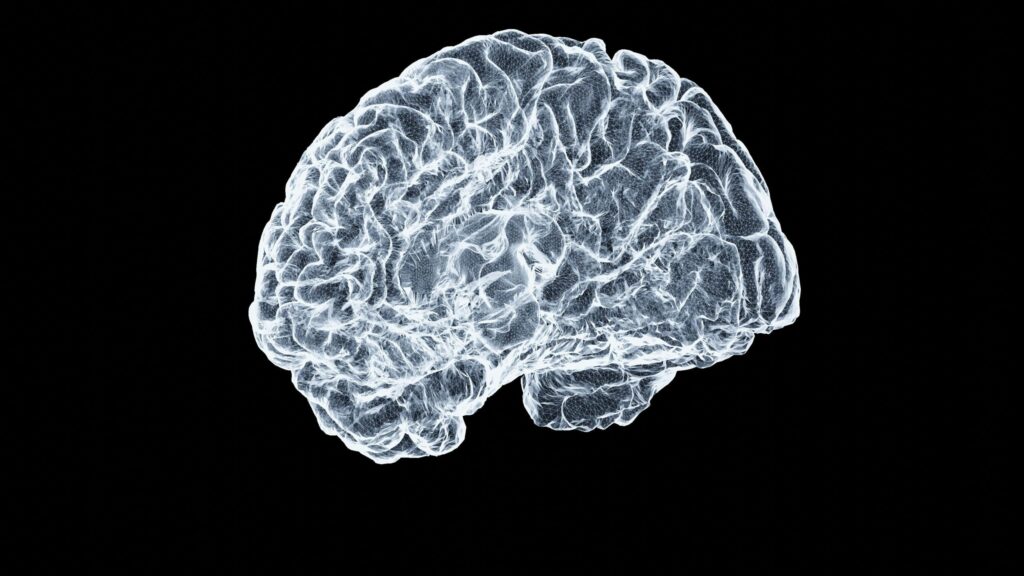
Neurology and psychiatry have traditionally been conceptualized as distinct disciplines: neurology focuses on the structural and functional integrity of the nervous system, whereas psychiatry examines cognition, emotion, and behavior. Contemporary research, however, highlights the interdependence of these domains, revealing that neurological processes and psychiatric phenomena are often inseparable.
Numerous conditions, including epilepsy, traumatic brain injury, and mood disorders, exemplify this overlap, manifesting both neurological and psychiatric dimensions. Recognition of these intersections is essential for accurate diagnosis, integrated treatment planning, and comprehensive patient care.
Understanding the interconnectedness of neurological and psychiatric health not only advances clinical efficacy but also mitigates stigma by emphasizing that mental and neurological health are facets of the same underlying biological and psychosocial processes. Effective advocacy and patient-centered care demand an approach that considers both neurological and psychiatric contributions to overall brain health.
Psychiatric Conditions
A B C D E F G H I K L M N O P R S T U V
Adjustment Disorder With Anxiety
Adjustment Disorder With Depressed Mood
Adjustment Disorder With Mixed Anxiety and Depressed Mood
Adjustment Disorder With Disturbance of Conduct
Adjustment Disorder with Mixed Disturbance of Emotions and Conduct
Alcohol-induced Anxiety Disorder
Alcohol-induced Depressive Disorder
Alcohol-induced Bipolar Disorder
Alcohol-induced Psychotic Disorder
Alcohol-induced Neurocognitive Disorder
Anorexia Nervosa (Restricting Type)
Anorexia Nervosa (Binge–purge Type)
Antisocial Personality Disorder
Anxiety Disorder Due to Another Medical Condition
Anxiety Disorder Induced by Substance or Medication
Attention-deficit/Hyperactivity Disorder (Predominantly Inattentive Presentation)
Attention-deficit/Hyperactivity Disorder (Predominantly Hyperactive–impulsive Presentation)
Attention-Deficit/Hyperactivity Disorder (Combined Presentation)
Catatonia Associated With Another Mental Disorder
Catatonia Due To Another Medical Condition
Conversion Disorder (Functional Neurological Symptom Disorder)
Compulsive Sexual Behavior Disorder
Cannabis-induced Anxiety Disorder
Cannabis-induced Psychotic Disorder
Cannabis-induced Depressive Disorder
Caffeine-Induced Anxiety Disorder
Major Depressive Disorder (Single Episode)
Major Depressive Disorder (Recurrent)
Major Depressive Disorder With Psychotic Features
Major Neurocognitive Disorder Due To Alzheimer Disease
Major Neurocognitive Disorder Due To Vascular Disease
Major Neurocognitive Disorder Due To Lewy Body Disease
Major Neurocognitive Disorder Due To Frontotemporal Degeneration
Major Neurocognitive Disorder Due To Parkinson Disease
Major Neurocognitive Disorder Due To Traumatic Brain Injury
Major Neurocognitive Disorder Due To HIV Infection
Major Neurocognitive Disorder Due To Prion Disease
Major Neurocognitive Disorder Due To Substance/Medication Use
Schizoaffective Disorder (Bipolar Type)
Schizoaffective Disorder (Depressive Type)
Schizoid Personality Disorder
Schizotypal Personality Disorder
Schizophrenia
Schizophreniform Disorder
Seasonal Affective Disorder
Selective Mutism
Separation Anxiety Disorder
Social Anxiety Disorder
Somatic Symptom Disorder
Specific Learning Disorder With Impairment In Reading
Specific Learning Disorder With Impairment In Written Expression
Specific learning Disorder With Impairment in written expression
Specific Learning Disorder With Impairment In Mathematics
Specific Phobia
Sedative, Hypnotic, or Anxiolytic Use Disorder
Sedative-, Hypnotic-, or Anxiolytic-induced Psychotic Disorder
Stimulant Use Disorder
Stimulant-induced Psychotic Disorder
Substance/Medication-induced Depressive Disorder
Substance/Medication-induced Bipolar Disorder
Substance/Medication-induced Psychotic Disorder